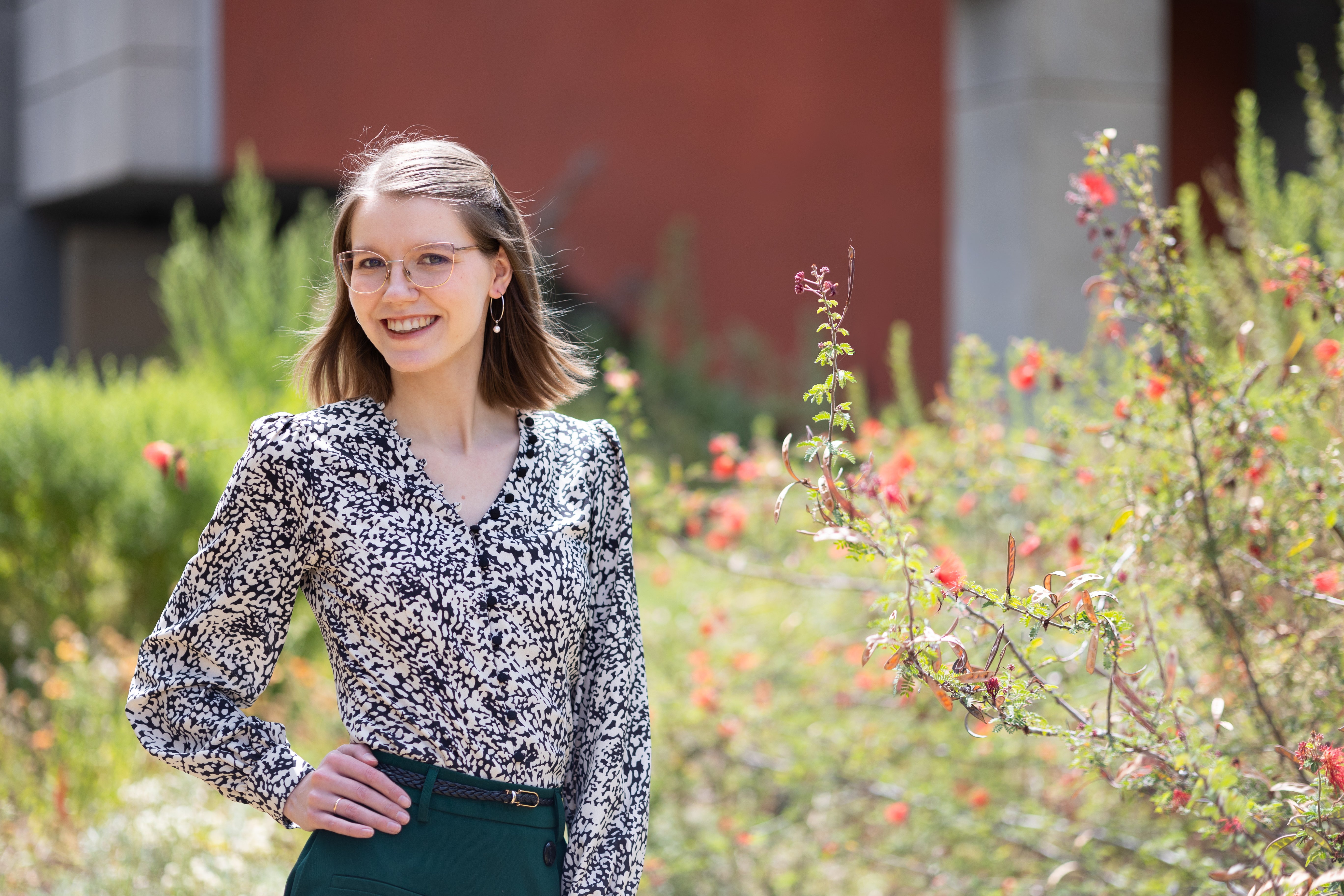
Veronica Tyts
2026 Scholarship Recipient
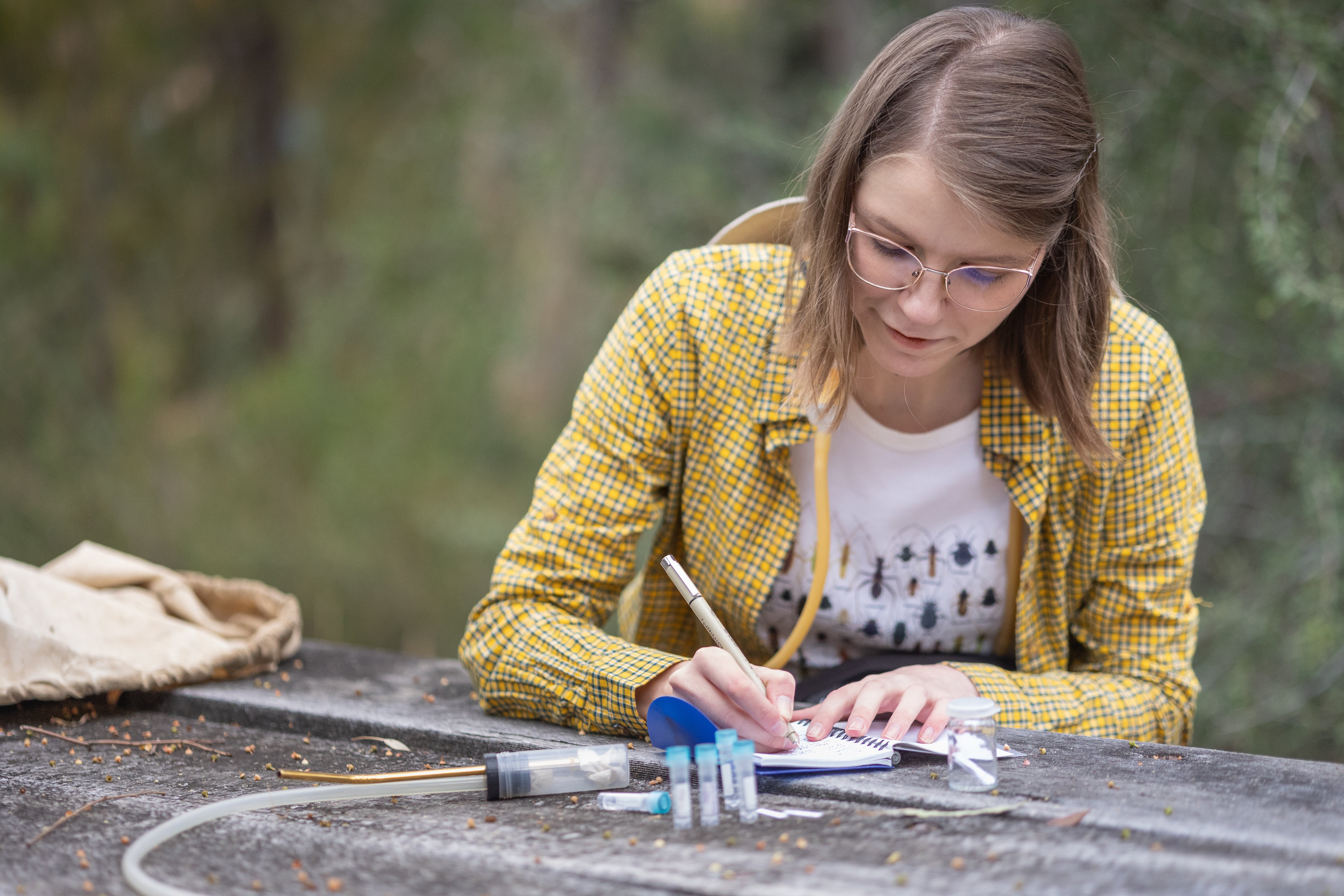
Veronica Tyts is a third-year Ph.D. candidate in the Department of Entomology at UC Riverside. Veronica earned her Bachelor’s and Master’s degrees at St. Petersburg State University in Russia, where her research focused on plant bugs (Hemiptera: Miridae), the largest family of true bugs. While studying the evolution of both enigmatic tropical and widely distributed temperate groups of plant bugs for her theses, Veronica was surprised to discover how little is known about many economically important mirids. This interest led her to join the world-leading heteropteran systematics lab led by Dr. Christiane Weirauch at UC Riverside and to continue addressing long-standing questions about mirid biology and evolution.
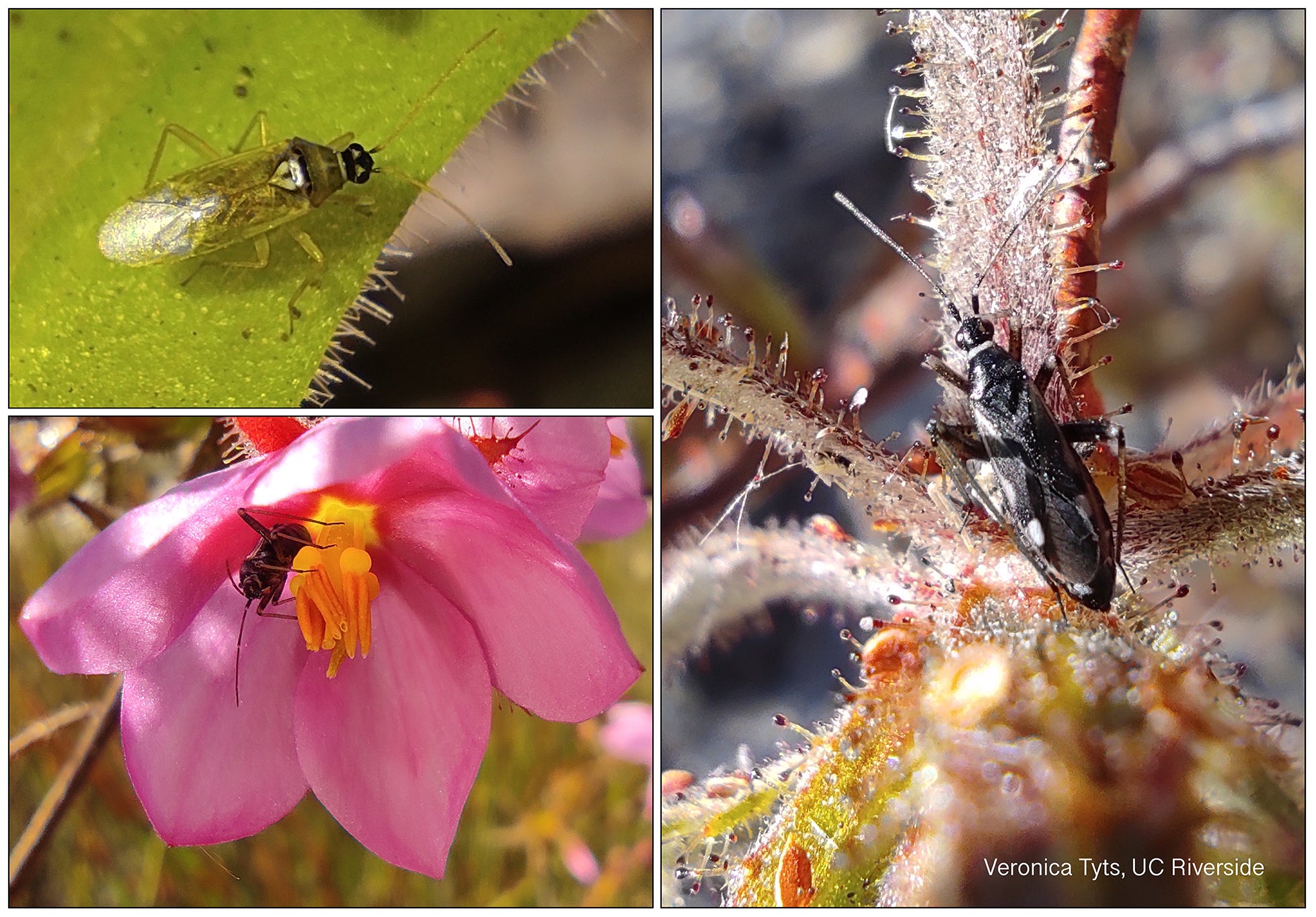
Dicyphini are a group of zoophytophagous plant bugs comprising 16 genera and more than 180 species. Several species are effective biological control agents in tomato production because of their plant specificity and high predation efficacy. However, the development of dicyphine biocontrol agents is currently limited by taxonomic uncertainty and a poor understanding of their diversity and biology. This challenge is especially prominent in the United States, where more than 40 native species occur, some of which show considerable predatory potential. Despite this diversity, tomato production currently relies largely on introduced Mediterranean species, which may be less adapted to local agricultural systems and could pose risks to native ecosystems.
Dicyphines are notoriously difficult to identify because many species exhibit highly variable external features and are distinguished primarily by minute genitalic structures. Misidentifications and poorly understood species boundaries have been documented even among commercially available biological control agents, leading to ineffective management strategies when morphologically similar species differ substantially in their host preferences. Studies of European dicyphines have revealed both cryptic diversity and cases requiring synonymization, yet similar studies have not been conducted for native US species.
Veronica’s research aims to reconstruct a genomic phylogeny of Dicyphini with an emphasis on North American fauna, test the boundaries of described species, and evaluate the reliability of the morphological characters currently used for identification. By establishing a robust taxonomic framework, this work will provide a foundation for future biological control research. In addition, Veronica will use DNA barcoding regions recovered from genomic data to investigate host plant associations and symbiotic organisms of Dicyphini, including potential plant pathogens. These data will help clarify the ecology of native dicyphines and reduce the risk of incorrect assumptions about their diets or their potential role as pathogen vectors.
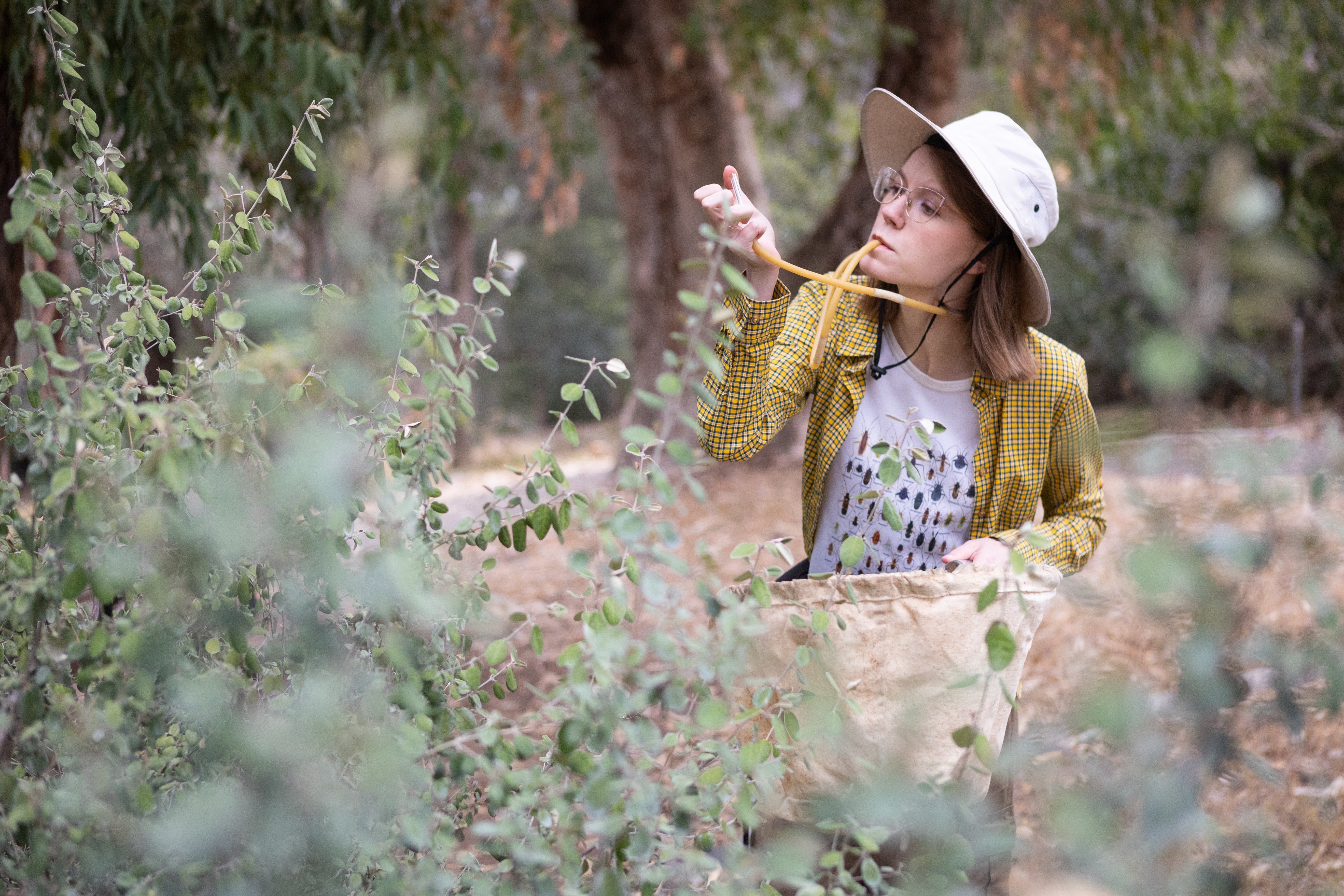
Funds from the Harry Scott Smith Award will support genomic sequencing, salary, and field research in Florida, the second-largest tomato-producing state in the United States, and a region that remains severely under-sampled for Dicyphini. These efforts will advance our understanding of native predatory plant bugs and their potential use in sustainable agricultural systems.
|
|
|
|
Veronica's scholarship is made possible in part by these 2026 donations
Funds from the Harry Scott Smith Award will support genomic sequencing, salary, and field research in Florida, the second A special thanks to Dr. John Kabishima and Janet Kabashima, Dr. George Markin, Leavens Ranches LLC, Mr. Gary Veeh, Mrs. Susan Deardorff, Retha Keenan (in memory of Ray Keenan), Tognazzini Avocado Partnership, and Mrs. Claudia M. Giardina.